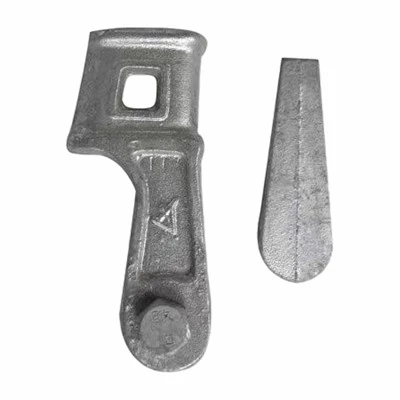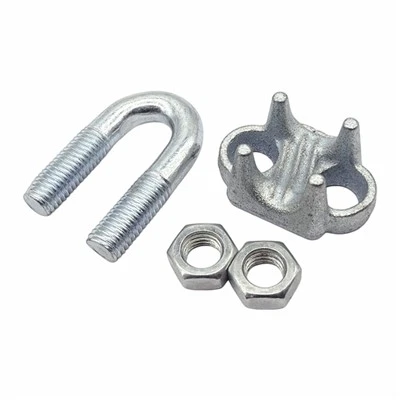
As a supplier of UB Type Clevis, I often encounter inquiries regarding the weldability of these essential components. The question "Can UB Type Clevis be welded?" is not only common but also crucial for many industries that rely on the secure and efficient connection of various structures. In this blog post, I will delve into the technical aspects of welding UB Type Clevis, exploring the feasibility, potential challenges, and best practices.
Understanding UB Type Clevis
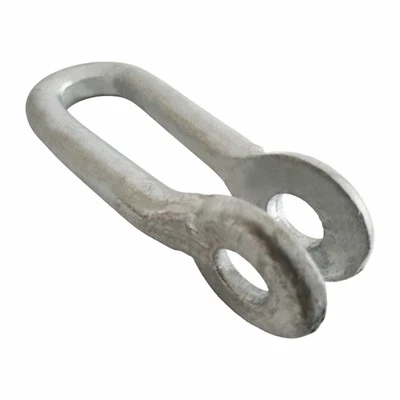
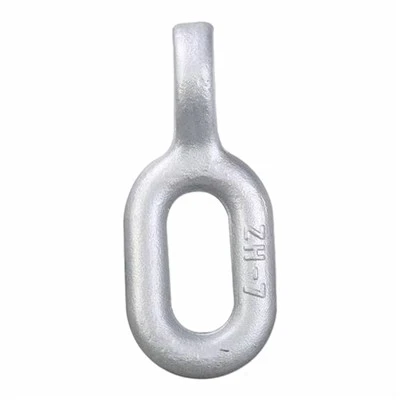
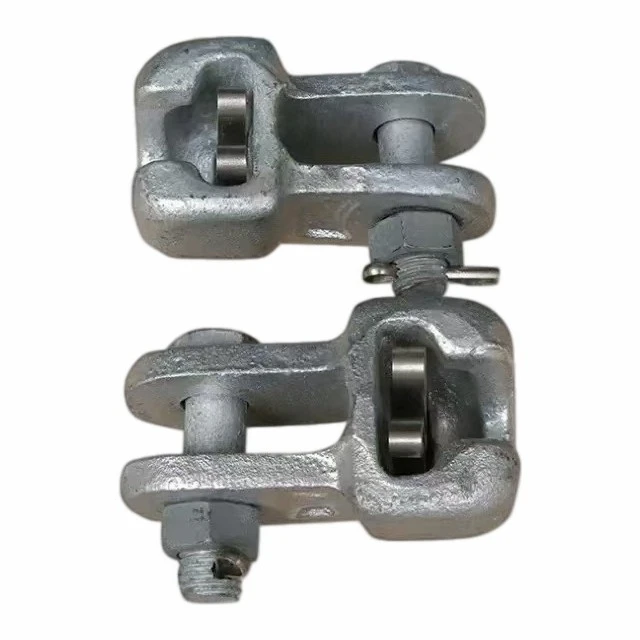
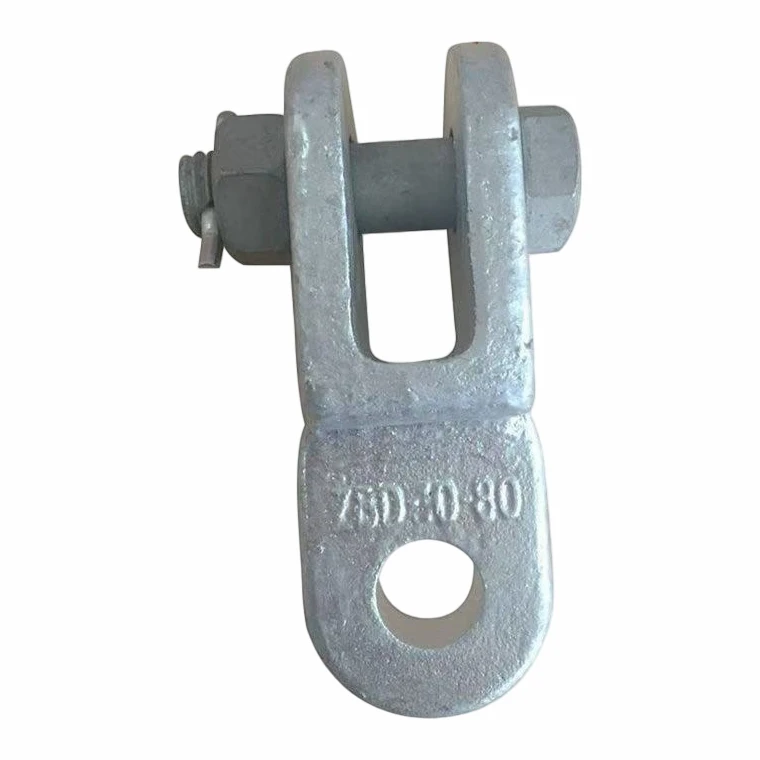
Before discussing the weldability, it's essential to understand what UB Type Clevis is. UB Type Clevis is a type of link fitting commonly used in power systems and various mechanical applications. It is designed to provide a flexible connection between different parts, allowing for movement and adjustment while maintaining structural integrity. The UB Type Clevis typically consists of a U-shaped body with a pin hole at the open end, which can be used to connect with other components such as P Type Clevis Plate, ZBD Type Clevis Plate, WS Socket Clevis, Right Angle Shackle, or UBX Type Clevis.
Feasibility of Welding UB Type Clevis
The answer to whether UB Type Clevis can be welded is generally yes, but it depends on several factors. Firstly, the material of the UB Type Clevis plays a significant role. Most UB Type Clevises are made of steel, which is a weldable material. However, the specific type of steel, such as carbon steel, alloy steel, or stainless steel, can affect the welding process and the quality of the weld.
Carbon steel UB Type Clevises are relatively easy to weld. They have good weldability due to their lower carbon content, which reduces the risk of cracking during welding. Alloy steel UB Type Clevises, on the other hand, may require more precise control of the welding parameters because the alloying elements can affect the hardening and cracking tendencies of the weld. Stainless steel UB Type Clevises are also weldable, but they need special attention to prevent corrosion and maintain the integrity of the stainless steel properties.
Secondly, the design and application of the UB Type Clevis are important considerations. If the UB Type Clevis is part of a critical structure where high strength and reliability are required, welding should be performed with extreme caution. In some cases, welding may alter the mechanical properties of the UB Type Clevis, such as its strength, ductility, and fatigue resistance. Therefore, it is necessary to evaluate the impact of welding on the overall performance of the structure.
Potential Challenges in Welding UB Type Clevis
Welding UB Type Clevis is not without challenges. One of the main challenges is the risk of distortion. During the welding process, the heat input can cause the UB Type Clevis to expand and contract, leading to distortion of the shape. This distortion can affect the fit and function of the UB Type Clevis, especially if it needs to be connected precisely with other components.
Another challenge is the formation of weld defects. Common weld defects include porosity, cracks, lack of fusion, and incomplete penetration. These defects can significantly reduce the strength and reliability of the weld, making the UB Type Clevis more prone to failure under stress. To minimize the risk of weld defects, proper welding techniques, such as preheating, post - welding heat treatment, and the use of appropriate filler materials, should be employed.
Best Practices for Welding UB Type Clevis
To ensure successful welding of UB Type Clevis, the following best practices should be followed:
- Material Selection: Choose the appropriate filler material that matches the base material of the UB Type Clevis. The filler material should have similar mechanical properties and chemical composition to the base material to ensure a strong and durable weld.
- Welding Preparation: Thoroughly clean the surfaces of the UB Type Clevis to be welded to remove any dirt, oil, rust, or other contaminants. This can improve the quality of the weld and reduce the risk of defects.
- Welding Parameters: Select the correct welding parameters, such as welding current, voltage, and travel speed, based on the material thickness, type of welding process, and filler material. Proper parameter selection can ensure good fusion and minimize the heat input, reducing the risk of distortion and defects.
- Welding Technique: Use appropriate welding techniques, such as multi - pass welding, to ensure complete penetration and even distribution of heat. In addition, proper shielding gas should be used for gas - shielded welding processes to protect the weld from oxidation.
- Post - Welding Treatment: After welding, the UB Type Clevis may require post - welding heat treatment to relieve stress, improve the mechanical properties of the weld, and reduce the risk of cracking. This can involve processes such as annealing, normalizing, or tempering.
Applications and Considerations
UB Type Clevises are widely used in power transmission and distribution systems, as well as in industrial machinery and construction. In power systems, they are often used to connect insulators, conductors, and other components. When welding UB Type Clevises for these applications, it is essential to comply with relevant standards and regulations to ensure the safety and reliability of the electrical system.
In industrial machinery and construction, UB Type Clevises can be used in various linkages and connections. Welding them can provide a more permanent and rigid connection in some cases. However, it is necessary to consider the dynamic loads and environmental conditions that the UB Type Clevis will be subjected to. For example, in a high - vibration environment, a welded UB Type Clevis may be more prone to fatigue failure if the weld is not properly designed and fabricated.
Conclusion
In conclusion, UB Type Clevis can be welded, but it requires careful consideration of the material, design, application, and welding process. By following the best practices and addressing the potential challenges, a high - quality weld can be achieved, ensuring the proper functioning and reliability of the UB Type Clevis in different applications.
If you are interested in purchasing UB Type Clevis or have any questions regarding their welding or application, please feel free to contact us for further discussion and procurement negotiation. We are committed to providing high - quality products and professional technical support to meet your specific needs.
References
- Welding Handbook, American Welding Society
- Standards for Power Fittings, relevant industry organizations