How does FDN Vibration Damper interact with the structure it is installed on?
In the realm of power transmission and various infrastructure systems, vibrations are an ever - present challenge. These vibrations, if left unchecked, can lead to premature wear and tear of structural components, instability, and potentially costly failures. This is where vibration dampers come into play, and specifically, the FDN Vibration Damper stands out as a reliable solution. As a supplier of FDN Vibration Dampers, I'd like to delve into how these devices interact with the structures they are installed on.
1. Basic Principles of Vibration in Structures
Before understanding the interaction of the FDN Vibration Damper with the structure, it's essential to grasp the basic principles of vibration in structures. Structures, such as power lines, towers, and industrial pipelines, are often subject to external forces that induce vibrations. Wind is a major culprit, especially in the case of overhead power lines. Wind can cause alternating vortices to form behind the line, creating periodic forces that result in vibrations known as Aeolian vibrations.
These vibrations typically occur at relatively high frequencies, ranging from a few Hertz to several tens of Hertz. In addition to wind, other sources of vibration can include machinery operation, seismic activity, and fluid flow in pipelines. Uncontrolled vibrations can lead to fatigue failure of structural components over time, as the repeated stress cycles gradually weaken the material.
2. The Design and Function of FDN Vibration Damper
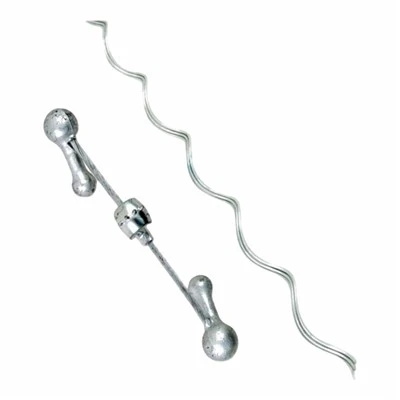
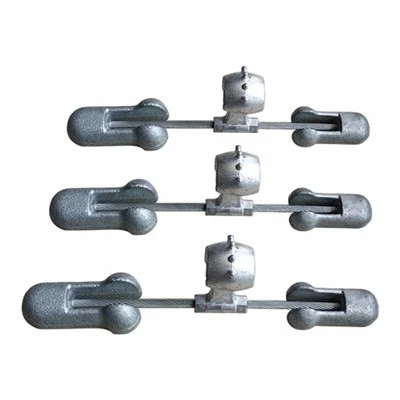
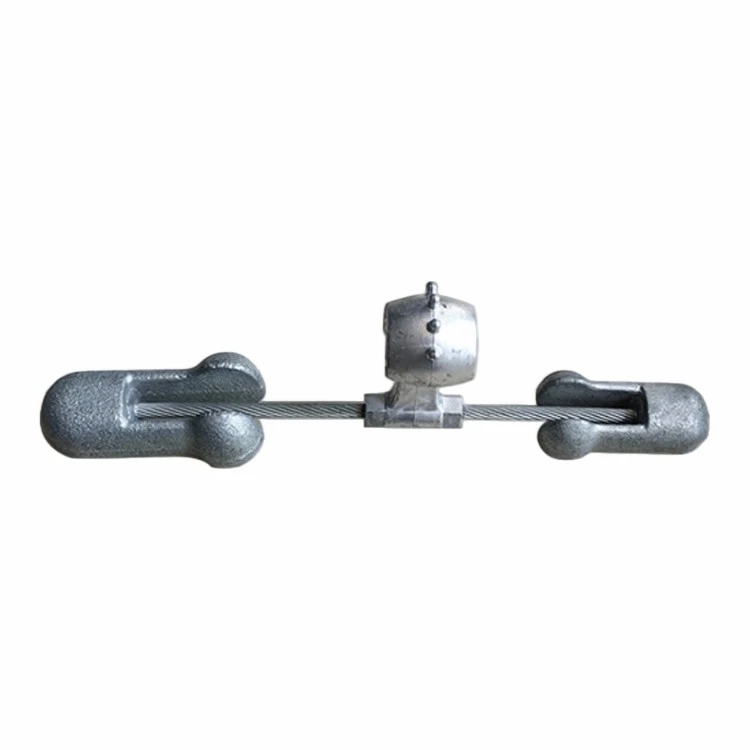
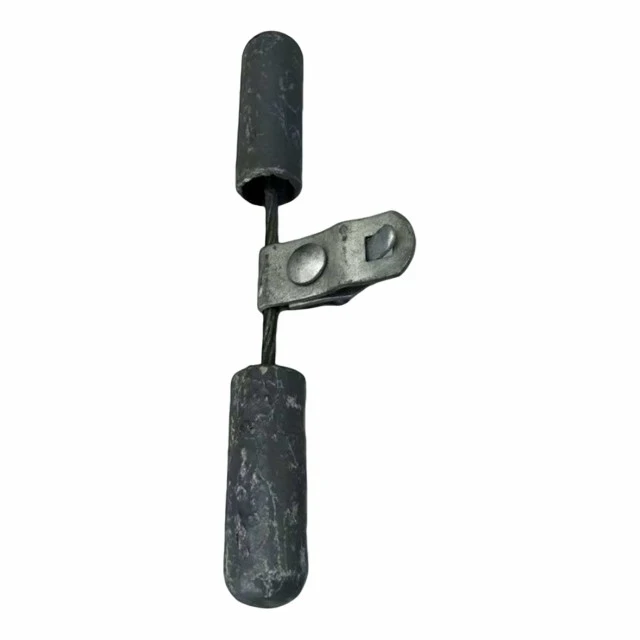
The FDN Vibration Damper is designed based on the principle of energy dissipation. It consists of several key components, including a clamp, a flexible rod, and one or more weights. The clamp is used to securely attach the damper to the structure, such as a power line. The flexible rod provides the necessary flexibility to allow the weights to move relative to the structure.
When the structure vibrates, the FDN Vibration Damper starts to interact with it. The movement of the structure causes the weights in the damper to oscillate. As the weights move, they convert the kinetic energy of the vibration into other forms of energy, mainly heat, through the internal friction within the damper's components and the air resistance acting on the moving parts.
The design of the FDN Vibration Damper is optimized to have a natural frequency that can effectively match the frequency range of the vibrations commonly encountered in the structure. For example, in power lines, the damper is tuned to the frequency of Aeolian vibrations. By having a similar natural frequency, the damper can resonate with the vibrating structure, which maximizes the energy - dissipation effect.
3. Interaction Mechanisms
3.1 Energy Transfer
The primary interaction mechanism between the FDN Vibration Damper and the structure is energy transfer. When the structure vibrates, it imparts kinetic energy to the damper. The damper then dissipates this energy, reducing the overall vibration amplitude of the structure.
For instance, in an overhead power line, the wind - induced vibrations cause the line to move up and down or side to side. The FDN Vibration Damper, which is clamped to the line, starts to move along with it. The weights in the damper, due to their inertia, resist the movement and start to oscillate relative to the line. As they oscillate, they experience internal friction within the flexible rod and air resistance. This friction and resistance convert the kinetic energy of the vibration into heat energy, which is then dissipated into the surrounding environment.
3.2 Resonance and Damping
Resonance is a crucial aspect of the interaction between the FDN Vibration Damper and the structure. When the natural frequency of the damper is close to the frequency of the vibrating structure, resonance occurs. Resonance allows the damper to absorb a large amount of energy from the structure.
However, resonance alone is not enough. To ensure that the vibration amplitude is effectively reduced, the damper must also have sufficient damping. Damping refers to the ability of the damper to dissipate energy. In the FDN Vibration Damper, damping is achieved through the internal friction of the flexible rod and the air resistance acting on the moving weights.
The combination of resonance and damping ensures that the FDN Vibration Damper can effectively reduce the vibration amplitude of the structure over a wide range of frequencies.
3.3 Impact on Structural Dynamics
The installation of the FDN Vibration Damper can also have an impact on the structural dynamics of the system. By reducing the vibration amplitude, the damper changes the stress distribution within the structure. For example, in a power line tower, reducing the vibrations of the attached lines can reduce the stress on the tower members.
This change in stress distribution can improve the overall stability and longevity of the structure. It can also prevent the occurrence of fatigue cracks and other damage caused by long - term vibrations.
4. Comparison with Other Vibration Dampers
In addition to the FDN Vibration Damper, there are other types of vibration dampers available on the market, such as the FDNJ Vibration Damper and the FG Type Vibration Damper.
The FDNJ Vibration Damper is similar in principle to the FDN Vibration Damper but may have some differences in design and application scenarios. The FDNJ damper may be more suitable for certain types of structures or vibration frequencies. The FG Type Vibration Damper has its own unique design features, which may include different weight distributions and rod configurations.
The choice between these dampers depends on factors such as the type of structure, the frequency range of the vibrations, and the environmental conditions. As a supplier, we can provide detailed technical advice to help customers choose the most appropriate vibration damper for their specific needs.
5. Installation and Maintenance Considerations
Proper installation of the FDN Vibration Damper is crucial for its effective interaction with the structure. The damper should be installed at the correct location on the structure. For power lines, the damper is usually installed at intervals along the line to ensure optimal vibration reduction.
Regular maintenance is also necessary to ensure the long - term performance of the damper. This includes checking the clamp for tightness, inspecting the flexible rod for any signs of damage, and ensuring that the weights are free to move. Any damage or malfunction should be addressed promptly to maintain the effectiveness of the damper.
6. Conclusion and Call to Action
In conclusion, the FDN Vibration Damper plays a vital role in reducing vibrations in structures. Through energy transfer, resonance, and damping, it effectively interacts with the structure it is installed on, improving the structure's stability and longevity. Whether you are dealing with power lines, industrial pipelines, or other vibrating structures, the FDN Vibration Damper can provide a reliable solution.
If you are interested in learning more about our FDN Vibration Dampers or other related products, or if you have specific requirements for vibration control in your projects, we encourage you to contact us for a detailed consultation. Our team of experts is ready to assist you in choosing the most suitable products and providing professional installation and maintenance advice.
References
- "Vibration Control in Structural Systems" by John D. Anderson.
- "Power Transmission Line Engineering: Design and Construction" by William H. Kersting.