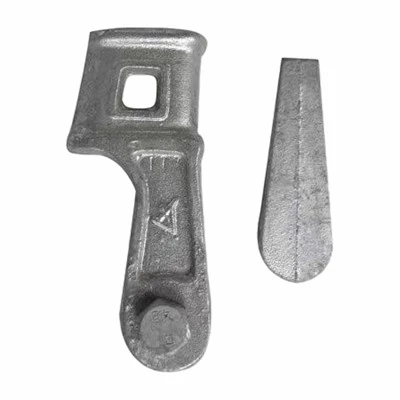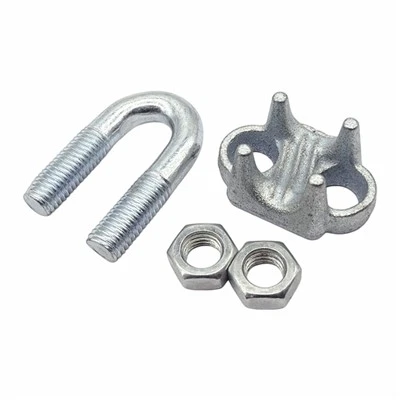
When delving into the question of whether an EB Type Clevis can be used in the oil-and-gas industries, it's essential to consider multiple aspects, including the unique requirements of these industries, the characteristics of the EB Type Clevis, and the potential applications and limitations.
Requirements of the Oil-and-Gas Industries
The oil-and-gas industries operate in some of the most challenging environments on Earth. Offshore platforms face harsh weather conditions, including strong winds, high waves, and corrosive saltwater. Onshore oil fields may encounter extreme temperatures, dust, and abrasive particles. Safety is of paramount importance, as any failure in equipment can lead to significant environmental disasters, loss of life, and substantial financial losses.
In addition to environmental challenges, the oil-and-gas industries require equipment that can withstand high pressures and heavy loads. Pipes, valves, and other components are subject to intense internal and external forces, and the fittings used to connect them must be able to maintain their integrity under these conditions. Corrosion resistance is also a critical factor, as the presence of oil, gas, and other chemicals can accelerate the corrosion process.
Characteristics of the EB Type Clevis
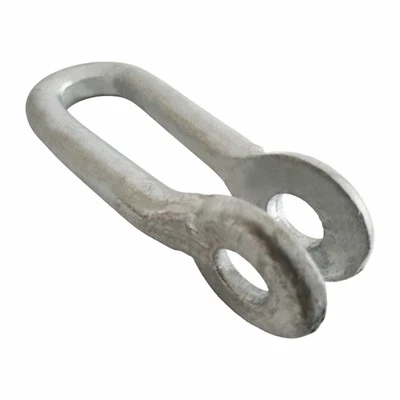
The EB Type Clevis is a type of fitting commonly used in various mechanical and structural applications. It is typically made of high-strength steel, which provides excellent load-bearing capacity. The design of the EB Type Clevis allows for easy connection and disconnection, making it suitable for applications where frequent assembly and disassembly are required.
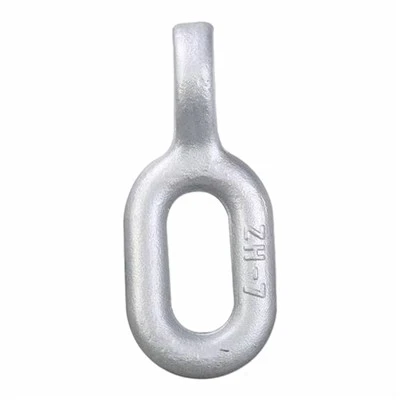
One of the key features of the EB Type Clevis is its versatility. It can be used in combination with other fittings such as UL Shackle Ring Power Link Fittings, Q Ball Eye, U Shackle Ring Power Link Fittings, and ZS Type Clevis Plate to create complex connection systems. This flexibility makes it a popular choice in many industries.
Potential Applications in the Oil-and-Gas Industries
-
Pipe Support Systems
- In oil and gas pipelines, proper support is crucial to prevent sagging, vibration, and stress concentration. The EB Type Clevis can be used to connect pipes to support structures, such as hangers and brackets. Its high load-bearing capacity ensures that the pipes are securely held in place, even under the influence of fluid flow and external forces.
- For example, in onshore oil pipelines that span long distances, the EB Type Clevis can be used at regular intervals to connect the pipes to the above - ground support frames. This helps to distribute the weight of the pipes evenly and reduces the risk of pipe failure.
-
Equipment Mounting
- Oil and gas equipment, such as pumps, compressors, and generators, require reliable mounting systems. The EB Type Clevis can be used to connect the equipment to the foundation or other structural components. Its ease of installation and connection allows for quick and efficient equipment setup.
- For instance, in an offshore oil platform's power generation area, the EB Type Clevis can be used to secure the generators to the platform structure. This ensures that the generators remain stable during operation, even in the face of rough sea conditions.
-
Rigging and Lifting Operations
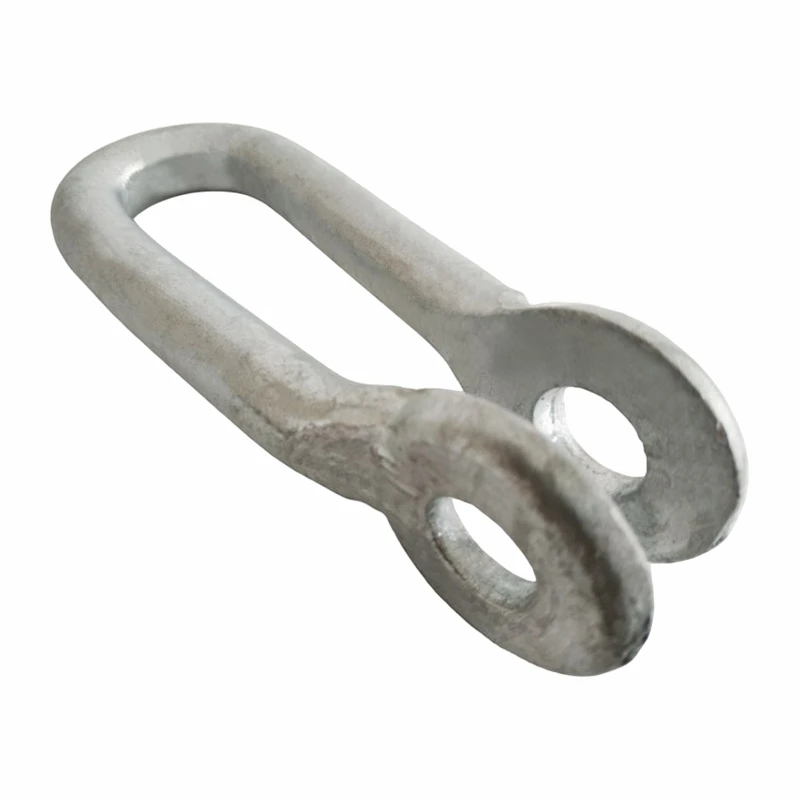
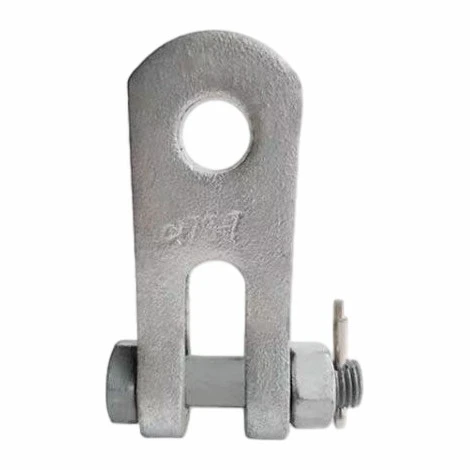
- During the construction, maintenance, and decommissioning of oil and gas facilities, rigging and lifting operations are common. The EB Type Clevis can be used as part of the rigging hardware to connect slings, chains, and other lifting equipment. Its ability to handle high loads makes it suitable for heavy - duty lifting tasks.
- When lifting large oil storage tanks for installation, the EB Type Clevis can be used to connect the lifting slings to the tank's lifting points, providing a secure and reliable connection.
Limitations and Considerations
- Corrosion Resistance
- While the EB Type Clevis is typically made of steel, which is a strong material, it may not have sufficient corrosion resistance in the highly corrosive environments of the oil-and-gas industries. Special coatings or materials may need to be applied to enhance its corrosion resistance. For example, galvanization or the use of stainless steel versions of the EB Type Clevis can be considered to prevent corrosion in offshore and on - shore facilities exposed to oil, gas, and saltwater.
- Compliance with Industry Standards
- The oil-and-gas industries are highly regulated, and all equipment used must comply with various industry standards and codes. The EB Type Clevis must meet the relevant standards for load capacity, material quality, and safety requirements. For example, it may need to comply with API (American Petroleum Institute) standards or other international standards depending on the location and nature of the project.
- Environmental Compatibility
- In addition to corrosion, the EB Type Clevis must be able to withstand the specific environmental conditions of the oil-and-gas industry. Extreme temperatures, high pressures, and the presence of abrasive particles can all affect the performance of the fitting. It is important to select an EB Type Clevis that is designed to operate within the expected temperature and pressure ranges of the application.
Our Role as an EB Type Clevis Supplier
As a supplier of the EB Type Clevis, we understand the unique requirements of the oil-and-gas industries. Our EB Type Clevis products are designed and manufactured with high - quality materials to ensure maximum strength and durability. We offer a range of options, including corrosion - resistant coatings and different materials, to meet the specific needs of our customers in the oil-and-gas sector.
We also have a team of experts who can provide technical support and assistance in selecting the right EB Type Clevis for your application. Whether you are working on an onshore oil field project or an offshore platform, we can help you choose the fitting that meets your load requirements, environmental conditions, and compliance standards.
Furthermore, our commitment to quality control ensures that every EB Type Clevis we supply meets or exceeds the industry standards. We conduct rigorous testing on our products to guarantee their performance and reliability.
Contact Us for Your EB Type Clevis Needs
If you are involved in the oil-and-gas industries and are considering using an EB Type Clevis in your project, we invite you to contact us for a detailed discussion. Our team is ready to answer your questions, provide product specifications, and assist you with your procurement process. We believe that our EB Type Clevis products, along with our excellent customer service, can be a valuable addition to your oil-and-gas operations.
References
- API Standards Publications: American Petroleum Institute's comprehensive set of standards for equipment used in the oil-and-gas industry.
- Handbook of Offshore Engineering: Covers various aspects of offshore oil and gas operations, including equipment requirements and design considerations.
- Steel Structures Design Manual: Offers in - depth knowledge on the design and use of steel fittings in different industrial applications.