As a key external insulation component of the power system, the performance of porcelain insulators is directly related to the safe and reliable operation of the power grid, and they must meet stringent requirements in terms of electrical, mechanical, and environmental aspects. Insulator products are equivalent to the "joints" of ultra-high voltage and extra-high voltage transmission lines, and their performance directly affects the feasibility and reliability of ultra-high voltage and extra-high voltage transmission and transformation technology. In terms of electrical performance, porcelain insulators need to have high insulation strength. For ultra-high voltage applications, they need to be able to withstand working voltages of over 1000kV and lightning impulse voltages of over 3000kV. Their surfaces are usually designed with awning structures to increase the creepage distance, with a standard creepage distance of 20-35mm/kV. In terms of mechanical performance, porcelain insulators need to have high mechanical strength to support the weight of conductors and equipment and withstand various stresses during operation. Ultra-high voltage porcelain insulators need to be able to withstand mechanical stresses such as bending, torsion, tension, and compression. Line porcelain insulators can withstand rated mechanical loads of 80-160kN. In terms of environmental adaptability, porcelain insulators must withstand complex and harsh outdoor environments for extended periods, including wind, snow, rain, lightning, ultraviolet radiation, and industrial pollution. Their operating temperature range is typically -60℃ to +80℃.
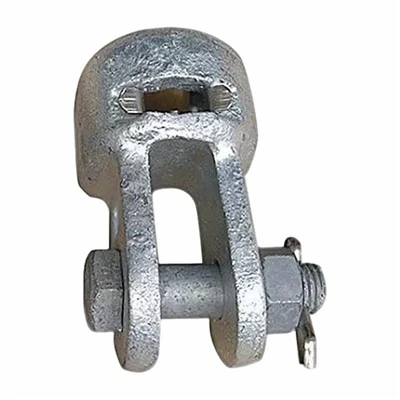
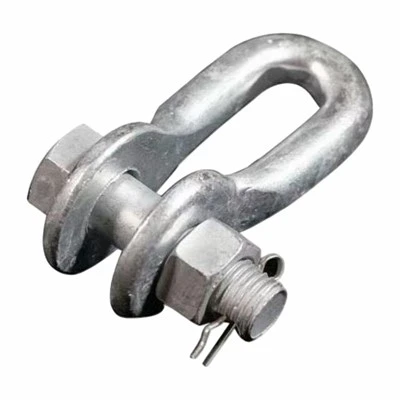
The materials and structural design of porcelain insulators must meet these requirements. Porcelain components generally utilize a high-strength aluminum-based porcelain formula to ensure excellent mechanical properties and reliability. Pollution-resistant insulators often employ open-type alternating-size sheds or ribbed alternating-size sheds under the sheds to improve discharge characteristics and enhance wet flashover and pollution resistance. The glued joints between porcelain components and metal fittings often use a cylindrical sand-coated structure with specially granulated sand to improve bonding strength and mechanical strength. Metal fittings such as flanges use high-strength materials (e.g., ductile iron) and undergo anti-corrosion treatment (e.g., hot-dip galvanizing).
To ensure reliability, each product must undergo impact testing, ultrasonic testing, and four-way bending load testing. Traditional insulator testing methods, such as the small ball discharge method, infrared thermal imaging method, and leakage current detection method, have certain limitations. Novel non-destructive testing technologies, such as vibration acoustic testing, can be used for the inspection of post porcelain insulators.