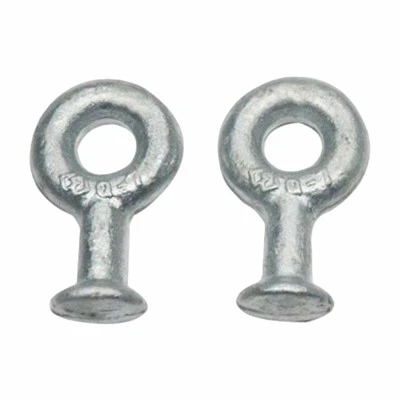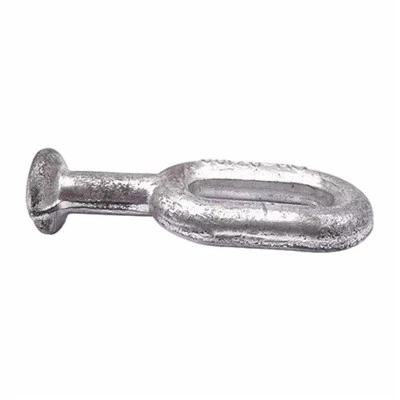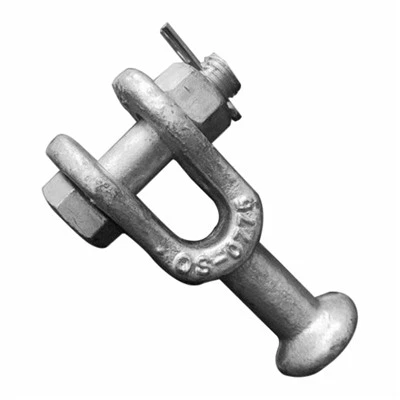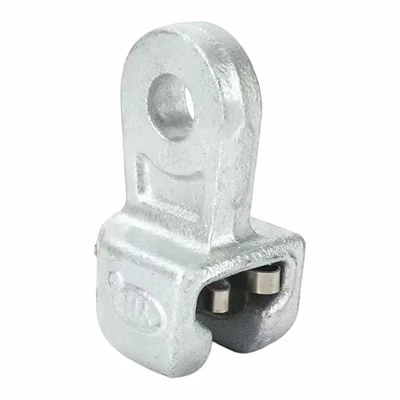
The performance and reliability of porcelain insulators directly depend on the advancement of their manufacturing process and the precision of their testing technology. With the construction of major projects such as ultra-high voltage power grids, higher requirements have been placed on the mechanical strength, insulation performance, and long-term stability of insulators, driving technological innovation across the entire chain, from raw material formulation and molding/sintering to intelligent production and non-destructive testing.
Manufacturing Process: The manufacturing of porcelain insulators begins with raw materials and formulation. The porcelain components utilize alumina-based high-strength porcelain formulation or a high-strength alumina-based porcelain formulation, laying the foundation for the product's high mechanical strength and insulation performance. Molding methods include spin molding and wet molding. The trimming process has evolved from traditional manual trimming to the use of a dual-station fully automated trimming machine, achieving automatic loading and unloading, improving efficiency and product performance stability.
Drying is a crucial process step. Vertical electro-cooling, compared to traditional horizontal natural air drying, can improve moisture uniformity by over 80% and increase production efficiency by 50%. After drying, the blanks need to undergo high-temperature quenching at 1300 degrees Celsius to complete the sintering process. After sintering, the porcelain components require glazing. Blue-gray glaze technology improves the product's weather resistance and appearance, while semiconductor glaze technology allows leakage current to be generated on the insulator surface, providing anti-fouling, self-cleaning, and anti-icing functions.
Finally, assembly is completed using a gluing process. The porcelain insulator consists of three parts: an iron cap, porcelain components, and steel feet, with the iron components bonded to the porcelain components using cement.
Process Optimization
To improve product performance, several process optimization measures are implemented during manufacturing, including strictly controlling the moisture content of the blank entering the kiln to below 0.5%. The insulator head structure is optimized, determining parameters such as wall thickness H=23 mm, top thickness h=22 mm, and sand grain height h1=0.6 mm. A sand milling process is added to the raw material production process to eliminate the influence of large particles, and the glaze formula is continuously optimized and improved.
Intelligent Manufacturing Trends
Intelligent manufacturing is an important direction for process development. By applying technologies such as 5G, AI, and machine vision, large-scale fully automated production lines and intelligent production management platforms for ultra-high voltage insulators are being built. Intelligent transformation increases production efficiency by 2.62 times, shortens product production cycle by 70%, and improves the overall pass rate by 10%, or increases production efficiency by 269% and reduces overall energy consumption by 42%.