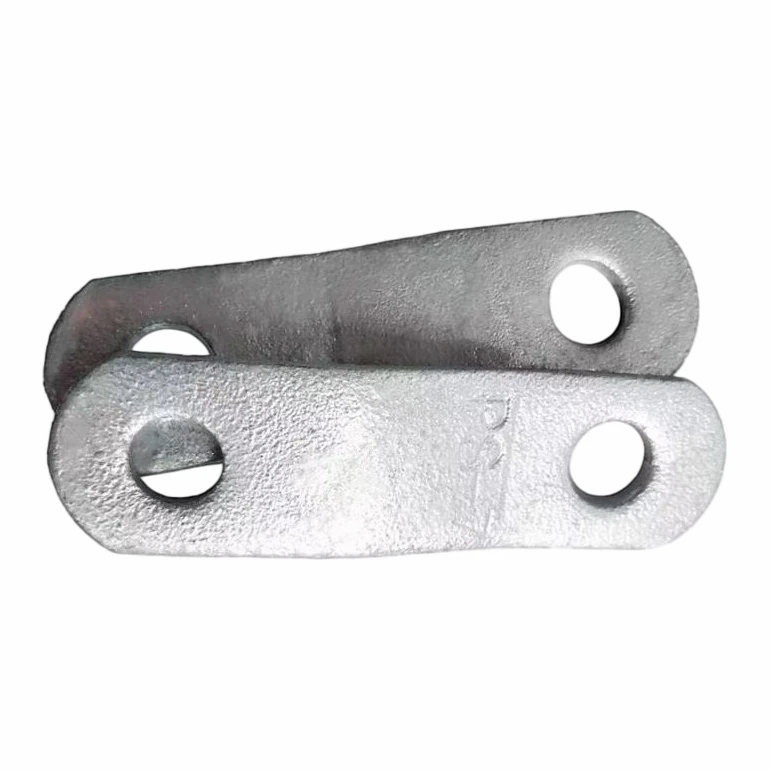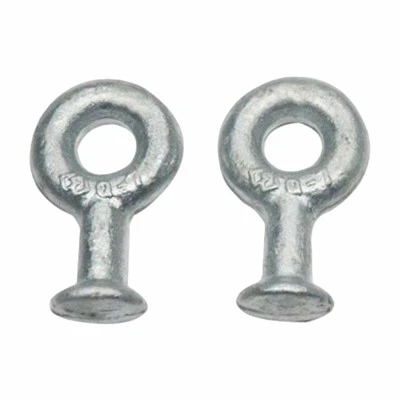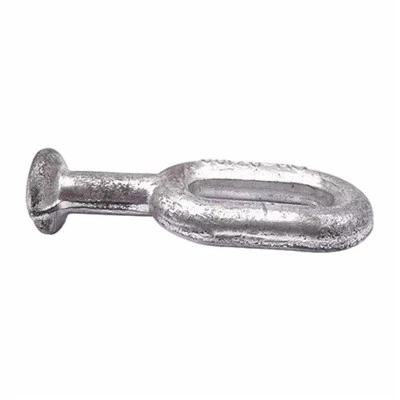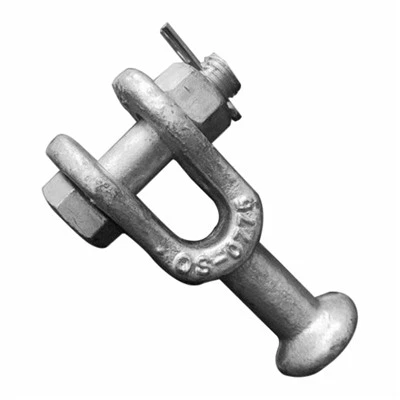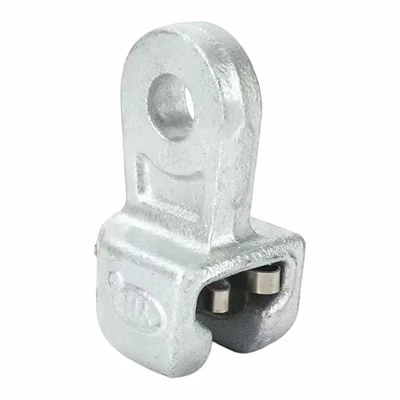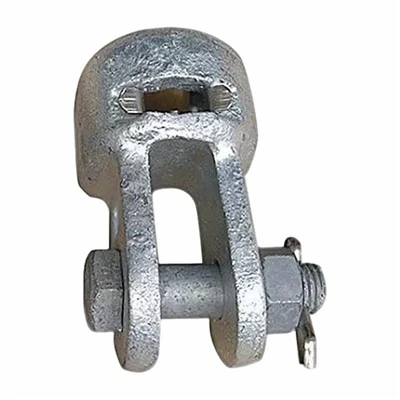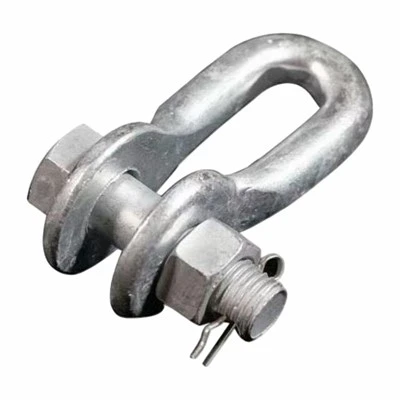
First, there's the insulating core, made of fiberglass or similar materials, providing the main mechanical support. Second, there's the outer sheath, often covered with silicone rubber, which serves to prevent contamination, moisture, and aging. Third, there are the metal ends, used to connect the conductors and the supporting structure. This multi-layered design allows composite insulators to adapt to various climatic conditions, such as high temperatures, low temperatures, rain, snow, or strong winds, while reducing maintenance requirements. For example, in humid or rainy areas, the hydrophobic properties of composite insulators can effectively prevent flashover (i.e., discharge caused by dirt accumulation), improving the reliability of the power system.
Next, let's look at the main types and application scenarios of composite insulators. Based on their purpose and structure, composite insulators can be divided into several types, the most common being line insulators, substation insulators, and distribution insulators. Line insulators are mainly used in high-voltage transmission lines to support conductors and maintain insulation distances; substation insulators are used in substations to connect equipment such as transformers or circuit breakers; distribution insulators are commonly found in low-voltage distribution systems to ensure the safety of local power distribution. In practical applications, composite insulators are widely used in urban power grids, rural electrification, and special environments such as coastal or industrial areas because they can withstand challenges such as salt spray and chemical corrosion. For example, in some wind farms, composite insulators are preferred due to their lightweight and durability to cope with strong winds and high-altitude conditions.